Elevate Your Home With Expert Design Solutions
Advancing a home through expert design consultation involves more than just visual elements. It involves a deep understanding of functional design and state construction regulations. Engaging an experienced architect can address common challenges while strengthening property equity. The process is strategic and thorough, guaranteeing that every detail harmonizes with the homeowner's expectations. Yet, many homeowners encounter challenges to progress through this journey effectively. What steps can they take to cement a successful association?
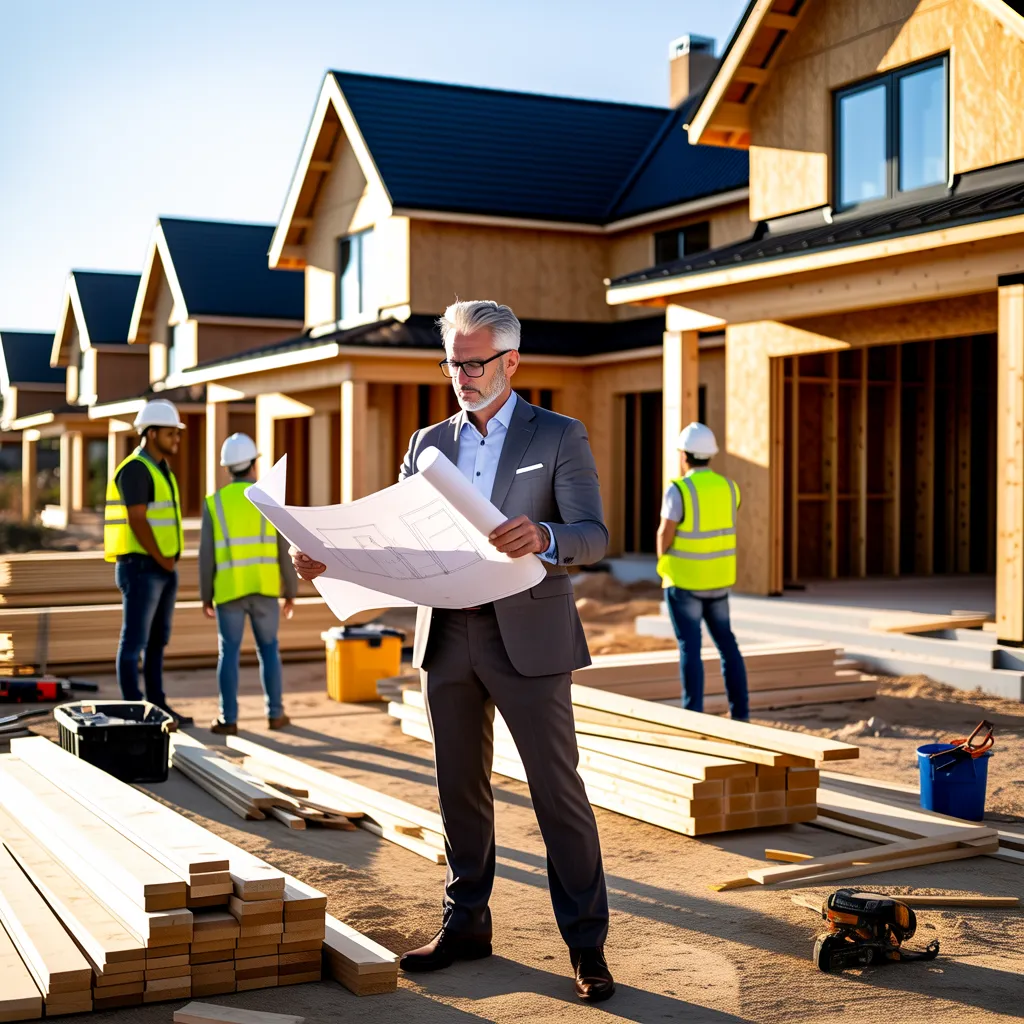
Typical Residential Design Setbacks and the Part Architects Fulfill
Why is home design so demanding for numerous homeowners? The difficulty of reconciling design preferences with practical needs often overwhelms them. Homeowners routinely contend with space limitations, financial constraints, and compliance requirements, making the design process more complex. Additionally, many lack the technical knowledge required to manage building considerations and building codes.
Architects serve as an crucial role in mitigating these challenges. Their training prepares them to navigate the complexities of planning, ensuring that a property owner's vision aligns with realistic realities. Architects can deliver innovative solutions to optimize space while adhering to security standards. They also help in creating cohesive designs that embody the property owner's style. By offering insights into resources and construction methods, architects help streamline the selection process. Finally, their expertise transforms a possibly intimidating undertaking into a collaborative journey, fostering a balanced balance between creativity and feasibility in residential planning.
Perks of Consulting a Professional Architect
Working with a professional architect strengthens the residential planning process by blending professional insight with the homeowner's vision. Architects provide a wealth of experience in design principles, construction standards, and sustainability practices, ensuring that the work not only reaches visual targets but also follows codes. Their skill in depicting and present difficult concepts supports rendering abstract concepts into concrete deliverables.
Additionally, architects can deliver innovative approaches to design challenges, enhancing functionality and layout. They also manage the complexities of the construction phase, coordinating with contractors and suppliers to ensure timelines and budgets are followed. This professional guidance reduces potential errors and alleviates the tension related to home remodeling or building. In the end, engaging with an architect creates a cohesive, carefully planned space that captures the homeowner's personality while improving overall home value.
What Are the Essential Steps in the Design Procedure?
What is the way the building design process progresses from initial idea to finish? The progression starts with an initial consultation, where the designer and client discuss goals, needs, and budget. This phase is important for creating a well-defined direction. Subsequently, the architect conducts location evaluation, evaluating aspects like topography, climate, and local codes.
Following this, the design phase begins. Here, renderings and virtual prototypes are developed, enabling the client to visualize the project. Once the design is finalized, the architect prepares comprehensive building plans, containing specifications and drawings.
Once required permits are secured, the project moves into the building stage. The architect frequently collaborates with contractors to ensure that the plan is implemented correctly. Regular on-site inspections and evaluations help maintain standards and adherence to the initial vision. Finally, the project culminates in a inspection, confirming that the finished structure satisfies the client's requirements before the official transfer.
How Do You Find the Ideal Architect for Your Home?
Discovering the right professional for your dwelling demands thoughtful consideration and study. Future residents should start by clarifying their specific desires and budget, which will direct their quest. Advice from peers, relatives, or real estate specialists can deliver helpful prospects. Online portfolios and ratings help with examining an designer's prior accomplishments and client satisfaction.
Next, prospective parties should interview multiple candidates to determine their speaking approach, expertise, and strategy for design. It's critical to explore timelines and project expectations to guarantee alignment. In addition, checking credentials and verifying appropriate certifications and licenses can circumvent subsequent difficulties.
In conclusion, homeowners should have faith in their hunches. The suitable architect should not only exhibit the required skills but also correspond to the homeowner's vision and ethics. This harmony promotes a cooperative setting, ultimately achieving a successful partnership in fashioning a desired residence.
Strategies for Conveying Your Objectives Efficiently
Conveying a plan for residential design proficiently is critical for a successful partnership between homeowners and architects. To reach this goal, house owners should begin by clearly stating their needs and preferences. Creating a mood board with images, shades, and components can assist in expressing stylistic aspirations. Additionally, detailing practical requirements, such as dimensions and layout, guarantees that the architect comprehends practical aspects.
Property owners should also take part in open dialogue, promoting questions and feedback to refine their vision. Regular check-ins throughout the design process foster teamwork and openness. Employing straightforward language to convey thoughts and worries can prevent confusion and help match goals.
In conclusion, embracing the architect's skills facilitates a more dynamic exchange of ideas. By uniting personal vision with professional insight, homeowners can establish a collaborative connection that creates a beautifully designed space expressing their aspirations.
How to Plan finances for Architectural design Services
When initiating a home design project, creating a budget for architecture services is important to prevent monetary burden later. Homeowners should start by researching typical fees in their area, which can vary based on the project's complexity and the architect's experience. It is wise to allocate a percentage of the overall project cost specifically for architectural services, typically ranging from 5% to 15%.
Next, clients should consider the scope of services required—whether they need comprehensive design and project management services or just initial consultations. Having transparent conversations with prospective architectural firms about their fee structures can provide clarity on expenses.
Additionally, property owners should take into account potential revisions and unexpected expenses, creating a financial cushion in their budget. By clearly defining their financial parameters in advance, clients can guarantee they choose an design professional who matches their goals while staying inside their budget constraints.
Popular Inquiries Asked Often
What Architectural Types Could I Pick for My Home?
Homeowners are able to opt for from various design options, including modern, traditional, colonial, Mediterranean, and contemporary. Each style offers distinctive aesthetics and functionality, permitting individuals to express personal taste while factoring in regional influences and environmental factors.
How Long Does the Design Process Typically Require?
The design process typically takes a number of months, determined by project complexity, approval requirements, and local ordinances. Factors such as stakeholder input and construction schedules can also influence the timeline substantially across the duration.
Can Architects Lend expertise To Environmentally conscious Design Alternatives?
Architects can certainly help sustainable design alternatives. They incorporate eco-friendly materials, energy-efficient systems, and innovative layouts, guaranteeing projects reduce environmental impact while maximizing functionality and aesthetic appeal, aligning with clients' sustainability goals effectively.
What Requirements Should I Look for in an Architectural Expert?
When choosing an architect, one should evaluate their education, professional credentials, experience in relevant projects, portfolio showcasing design style, and familiarity with local regulations. Communication skills and client testimonials also play vital roles in the try this decision-making process.
How Do Design Specialists Resolve Zoning and Permit Difficulties?
Architects address regulatory obstacles by conducting thorough research on local regulations, preparing necessary documentation, and working with municipal authorities. Their knowledge ensures adherence, streamlining the permitting timeline for customer developments effectively.